Intel E28F008SA-200L: A Deep Dive into the 8-Megabit Flash Memory Chip
In the landscape of late 1990s and early 2000s computing, the Intel E28F008SA-200L stood as a pivotal component, enabling the storage of critical firmware and system-level code. This 8-megabit (1-megabyte) flash memory chip represented a significant step forward in non-volatile storage technology, offering a reliable and erasable solution for a wide range of applications, from PC BIOS and networking hardware to embedded systems and industrial controllers.
Architectural Overview and Key Specifications
The E28F008SA-200L is built on a sophisticated architecture that organizes its 8 megabits of memory into 131,072 bytes x 8 bits. This byte-wide data bus was a standard and highly compatible interface, allowing for straightforward integration with the microprocessors of its era. The "200" in its part number signifies a 200ns maximum access time, a critical performance metric that determined how quickly the processor could read data from the chip. This speed was essential for ensuring swift system boot times and efficient execution of code directly from the flash memory.
A defining feature of this chip is its use of Intel's advanced FlashFile architecture. This design incorporated a command user interface (CUI), which allowed the host system to manage the chip through a series of software commands rather than complex hardware signaling. This innovation simplified board design and provided powerful control over operations like programming and erasure.
In-System Programmability: A Game Changer
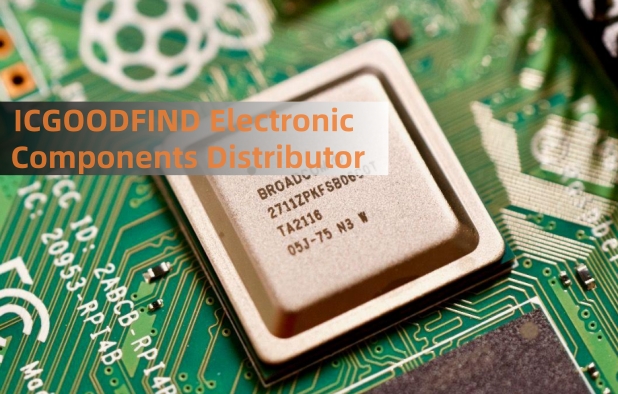
Perhaps its most revolutionary characteristic was its capability for in-system reprogrammability. Unlike the EPROMs (Erasable Programmable Read-Only Memory) it often replaced, which required removal from the circuit board and erasure under an ultraviolet light source, the E28F008SA-200L could be erased and reprogrammed electrically while seated in its socket. This feature, often referred to as EEPROM-like byte programming and sector erase, drastically reduced development cycles and enabled easy field firmware updates. It was this capability that made it an ideal candidate for storing a computer's BIOS, as it allowed manufacturers and even end-users to apply critical updates to fix bugs or add new features.
The chip's memory array is divided into multiple erase blocks, including smaller parameter sectors and one larger main block. This flexible sector architecture allowed designers to protect specific portions of code (e.g., a boot loader) while updating other sections of the memory.
Durability and Legacy
Engineered for resilience, the E28F008SA-200L was specified for a minimum of 100,000 program/erase cycles. This endurance guarantee made it a robust and trustworthy medium for applications requiring frequent firmware revisions. Furthermore, its ability to retain data for up to 10 years without power ensured long-term reliability for deployed systems.
While its storage capacity is minuscule by today's standards, the legacy of the Intel E28F008SA-200L is immense. It was a workhorse that helped usher in the era of easily updatable firmware, laying the groundwork for the sophisticated flash memory technology that is ubiquitous in every computing device today.
ICGOODFIND: The Intel E28F008SA-200L was a cornerstone of its generation, exemplifying the shift towards flexible, in-system programmable non-volatile memory. Its blend of a standard byte-wide interface, fast 200ns access time, and robust sector erase architecture made it an indispensable component for system designers, paving the way for modern firmware management practices.
Keywords: In-System Programmability, FlashFile Architecture, 200ns Access Time, Sector Erase, Non-Volatile Memory

